1:17 AM Custom Aquarium Design: Why Every Tank Is Truly Unique | |
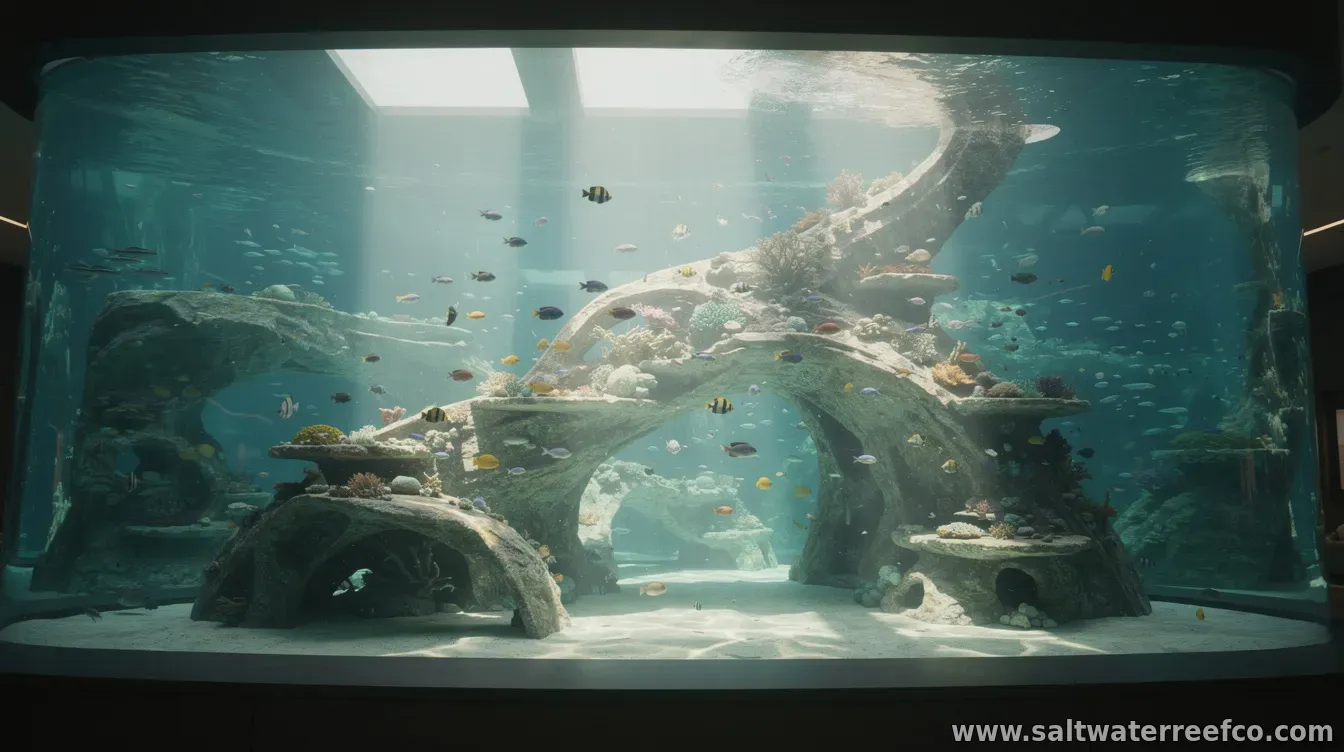
Custom aquarium design has shifted from a niche service to a mainstream expectation among serious hobbyists and new owners alike. The basic idea is simple: every home, every budget, and every aquatic goal is different, so the aquarium should be designed around those realities—rather than around a standard template. Instead of starting with a preselected tank footprint and “matching” fish to the setup, designers begin with the user’s constraints and ambitions. That can include the room’s available space, how visible the tank needs to be, whether the owner prefers a low-maintenance routine, and what kinds of species or plant communities they want to keep long-term. Design starts with your space and care styleA custom plan often begins with measurements and a discussion of day-to-day maintenance. Lighting height, cabinet clearance, and even where the tank will be viewed from can influence scaping layout and equipment placement. For many owners, the goal is an aquarium that fits their lifestyle—meaning the system should be stable, intuitive to service, and realistic to run without constant adjustments. Filtration and water flow are engineered for the tankIn well-designed custom aquariums, filtration and circulation are selected to match the tank’s volume, stocking goals, and biological needs. The “right” setup depends on whether the system will prioritize plants, delicate fish, or stronger-flow species, as well as how much waste the tank is expected to handle. Proper flow also supports healthier behavior patterns for inhabitants and prevents dead zones where debris can accumulate. Scaping and lighting are built around the ecosystemCustom design also shapes the visual and functional side of the aquarium. Aquascape choices—such as rock structure, driftwood placement, and substrate depth—can affect water parameters and provide hiding areas. Lighting selection then determines how plants grow and how the tank’s overall colors will appear. Rather than guessing, designers tune intensity and photoperiod to the intended plant or reef-like look, while remaining mindful of algae risk. Even small details matter. Placement of heaters, thermometers, pumps, and power cords can reduce temperature swings and simplify maintenance. Where and how intake and output are arranged can influence oxygen levels and stress levels for fish. In short, custom design treats the aquarium as a complete system, not just a glass box with equipment inside. When homeowners choose a tailored approach, they also gain flexibility for upgrades over time. A tank designed with easy access for filter servicing, planned future revisions to lighting, or room for additional filtration capacity can reduce the stress of later “rebuilding” from scratch. Ultimately, the promise of custom aquarium design is not just aesthetics—it’s compatibility. A unique tank can look striking, but it should also function reliably for the species it will host. By aligning equipment, layout, and care expectations from the start, owners are more likely to achieve stable water chemistry and long-term success. For anyone considering a first aquarium—or redesigning an existing one—the best next step is to map out goals clearly. A custom designer can then translate those goals into a practical, balanced setup that respects both the ecosystem and the realities of home maintenance. | |
|
| |
Next & Previous posts