1:03 AM Blue Tang care: space, hiding spots, and reef-friendly setup | |
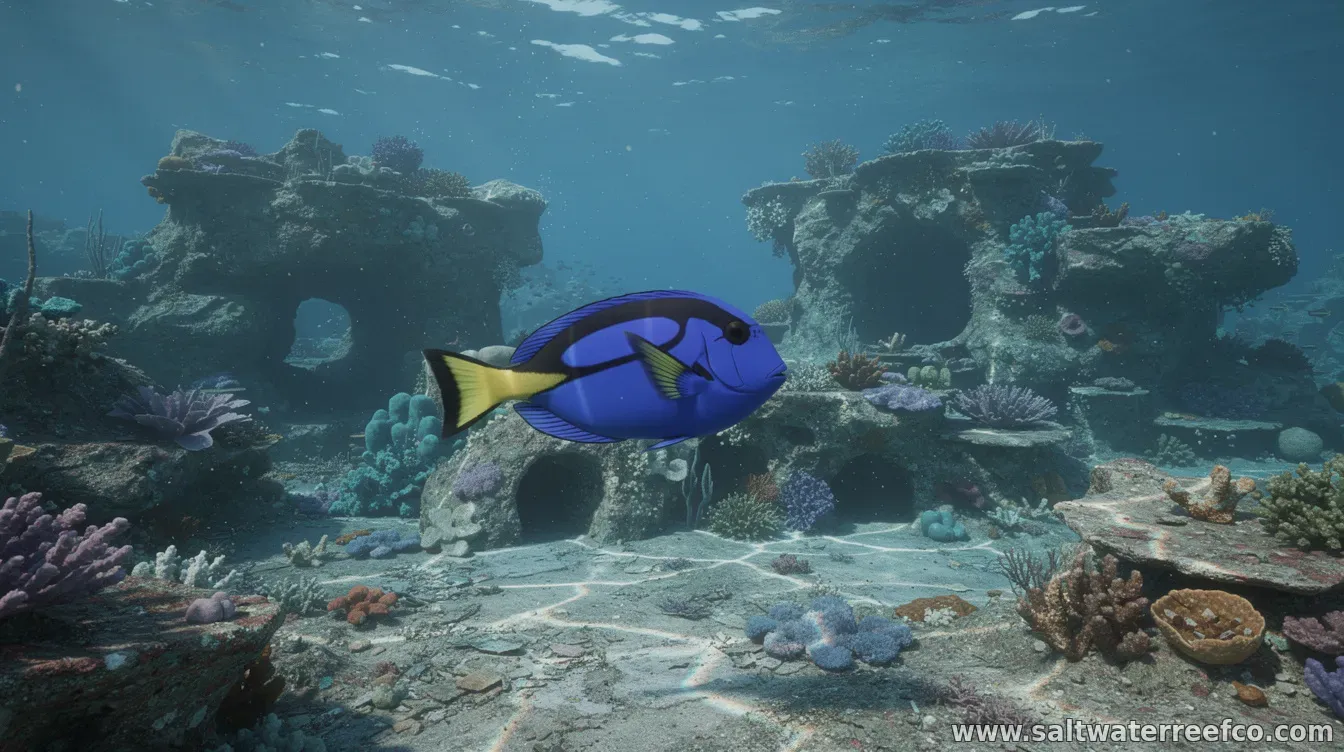
The Blue Tang (Paracanthurus hepatus) is a fast-moving Indo-Pacific reef fish known for its bright color and constant activity. For aquarium keepers, its biggest requirements are simple but non-negotiable: room to swim and shelter to feel secure. Because Blue Tangs are naturally active, cramped tanks can quickly lead to chronic stress. A larger footprint—especially one with ample open swimming distance—is typically key to helping the fish explore its environment and behave naturally. Equally important are hiding places. In the wild, Blue Tangs use reef structure for cover and for “down time” between periods of movement. In aquariums, that role is best filled by live rock or similarly structured décor that provides multiple sight breaks and shaded crevices. What a suitable setup should includeTo match the fish’s natural reef routine, keepers often design tanks around two priorities: movement and structure. Live rock should be arranged to create caves, overhangs, and pathways rather than a flat wall of rock with no routes. Beyond space and shelter, water quality remains a central factor in long-term health. Good filtration, consistent temperature, and stable salinity help reduce stress and support the fish’s immune system—especially for a species that can be sensitive to unstable conditions. Diet also influences how well a Blue Tang adapts. In reef aquariums, they’re commonly fed a mix of plant-forward foods and algae-based options, with feeding schedules tailored to maintain nutrition without degrading water quality. Common mistakes that cause stressOne of the most frequent issues is underestimating how much swimming space an active tang needs. Another is providing rockwork that looks good but doesn’t function well as cover—when there are too few hide routes, the fish may remain exposed and restless. Introducing a Blue Tang into an environment that lacks structure can also lead to aggressive pacing and persistent hiding behavior. Thoughtful aquascaping and gradual acclimation generally improve outcomes, while sudden changes in temperature or chemistry can worsen stress. For hobbyists planning their next reef build, the takeaway is straightforward: prioritize a tank that supports cruising behavior and arrange live rock so the fish can retreat and regroup. When those foundations are met, Blue Tangs are more likely to settle in and display their characteristic, reef-inspired activity. | |
|
| |
Next & Previous posts