1:35 AM Blue Eye Bristletooth: the orange-brown tang with blue spots | |
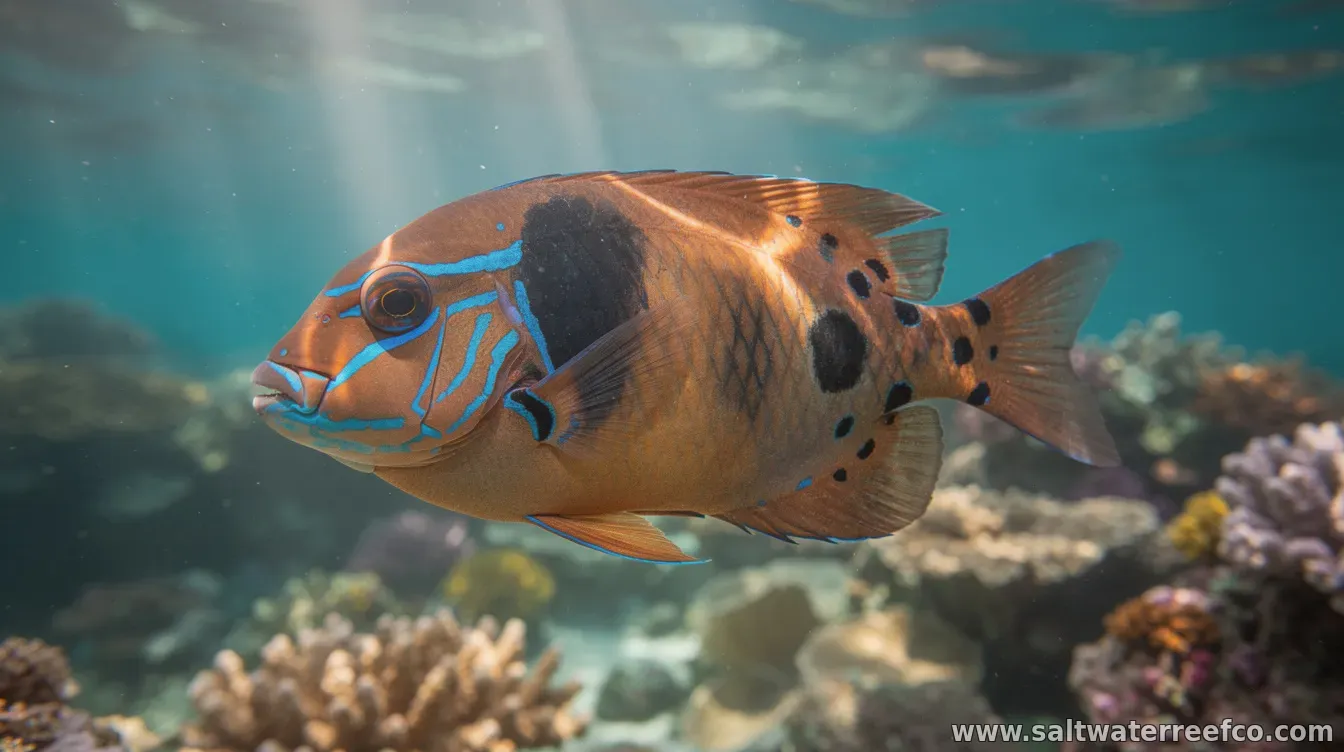
The Blue Eye Bristletooth is a striking tang-like reef fish recognizable by its orange-brown body, vibrant blue markings, and distinctive spotted pattern around the face and fins. As a result, it’s often described as one of the more visually dramatic tangs seen in marine displays. In aquarium settings and online hobbyist communities, the species is frequently singled out for its contrast: warm body tones paired with electric-blue accents that make the fish appear almost “painted.” That look is also part of its appeal—photographs tend to capture the blue patterns particularly well under reef lighting. How to recognize itTypical identifying features include a compact, tang-like silhouette and a palette dominated by orange-brown coloration with bright blue elements. The “blue eye” reference is usually tied to blue-rich patterning around the head area, while the distinctive spots provide an additional, easy-to-spot cue compared with more uniformly colored reef fish. Because many reef species can look similar in low light, hobbyists often recommend confirming the fish’s patterning in stable tank conditions or via clear, well-lit photographs taken from the seller. Where it fits in a reef tankThe Blue Eye Bristletooth is generally considered a reef-compatible fish when kept with appropriate water quality and enough space to swim. Like other tangs, it typically benefits from an environment that supports steady grazing behavior and provides stable, oxygen-rich conditions. In practice, successful keeping often comes down to two factors: consistent tank stability (especially around temperature and salinity) and adequate swimming room. A stressed tang may become less active and show feeding changes, so observation matters. Care essentials hobbyists prioritizeAquarium keepers commonly focus on feeding variety and water parameters. Many tangs do best when offered a mix of algae-forward foods and properly prepared diets suited to herbivorous or mixed feeding patterns. Regular feeding schedules can also help reduce competition with tankmates. Just as important is filtration and maintenance. Robust biological filtration helps manage waste, while routine checks ensure the tank stays within target ranges. If the fish is new to the tank, gradual acclimation and monitoring for appetite and body condition are standard best practices. Bottom line: With its orange-brown body, vibrant blue markings, and distinctive spots, the Blue Eye Bristletooth is a high-contrast reef fish that stands out both in tanks and in photographs. For aquarists, it’s most rewarding in systems that emphasize water stability, space, and diet consistency. | |
|
| |
Next & Previous posts
Related materials:
| Total comments: 0 | |