1:47 AM Best Wrasse Species for a Reef Tank: Peaceful Picks | |
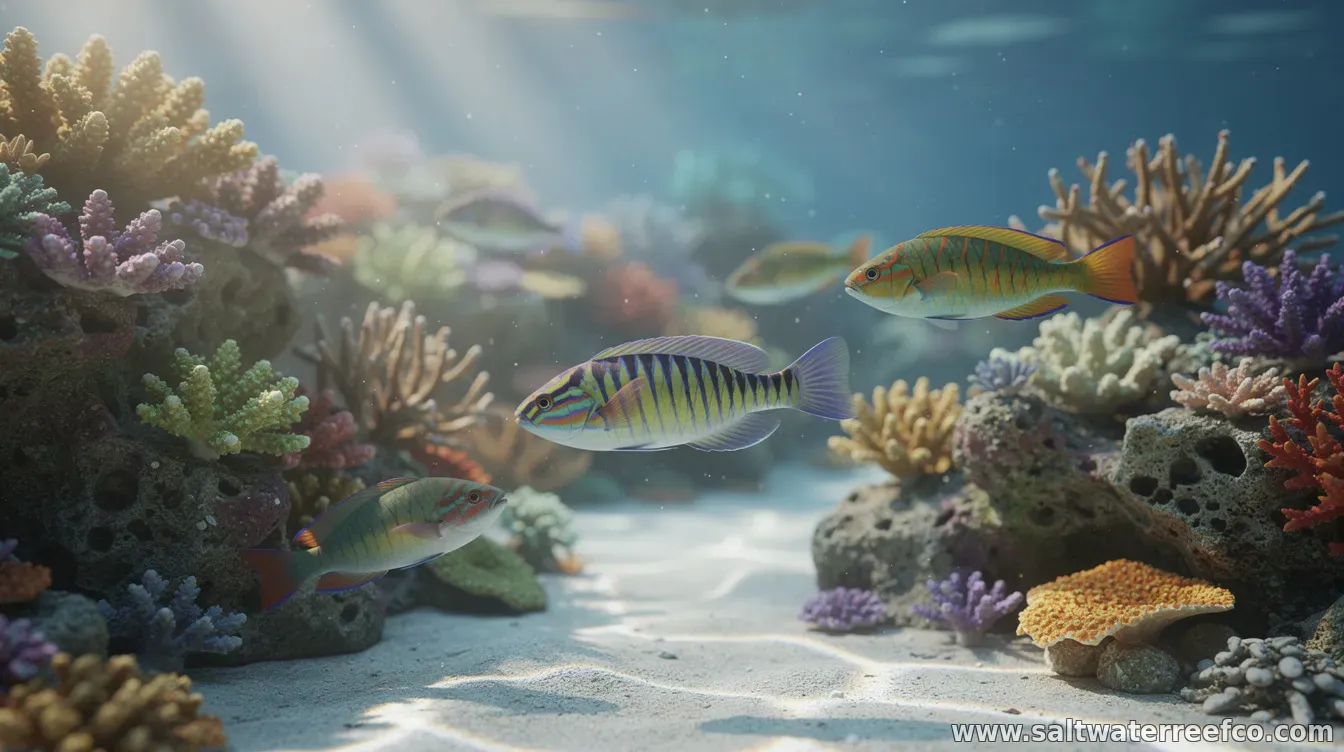
Wrasses are among the most visually striking—and behaviorally interesting—fish you can keep in a reef aquarium. But “best” depends on more than looks: temperament, adult size, feeding style, and whether the species is known to nip, harass, or outcompete tankmates can make or break your setup. Below is a practical guide to wrasse species that are commonly regarded as peaceful, active, and colorful in reef tanks—along with the biggest factors reef keepers should match before adding one. 1) Yellow Coris Wrasse (Coris sp.)Yellow coris wrasses are popular reef additions because they tend to be active foragers that spend time cruising the sand and rock. Their bold coloration and dynamic behavior can make them a centerpiece fish without the constant territorial aggression some other wrasses can show. That said, individual temperament varies, and feeding is important. Many keepers report best results when coris wrasses are offered a varied meaty diet (such as mysis, marine pellets, and appropriately sized frozen foods) and given enough rock structure to establish natural foraging routes. 2) Fairy Wrasses (Cirrhilabrus spp.)Fairy wrasses are often praised for combining strong color with relatively reef-friendly behavior. Depending on the exact species and tank conditions, many fairy wrasses remain active throughout the day and use the water column and rockwork in interesting ways. Because fairy wrasses are generally visually oriented and can be sensitive to food quality, plan on consistent feeding and stable water parameters. When stocking, consider spacing out similar-looking wrasse additions and introduce them in a way that reduces direct competition. 3) Flasher Wrasses (Paracheilinus spp.)Flasher wrasses are famous for vivid displays—especially the males’ sweeping, courting-style movements that add “living color” to the aquarium. In many community reef tanks, they’re chosen for their showy behavior and generally manageable temperament. These fish are also typically micropredators, so adequate feeding (often small frozen foods and high-quality prepared foods) is crucial. If your feeding routine is irregular, flasher wrasses can decline quickly, even if the tank looks healthy. 4) Halichoeres (often the “calmer” wrasse route)Several halichoeres wrasses are frequently recommended for peaceful reef setups, particularly species that stay active without becoming relentless rockwork bullies. Their demeanor often makes them a good middle ground for aquarists who want a wrasse’s personality without the higher-risk aggression seen in some other lines. Still, halichoeres species differ. Research the specific candidate (adult size, temperament notes, and diet) and plan tank space accordingly. If you keep slow or timid tankmates, prioritize wrasses known for calmer behavior and introduce them early enough to establish boundaries. Compatibility: how to avoid common wrasse problemsEven “peaceful” wrasses can become territorial during adjustment periods or when housed with fish that strongly resemble them or occupy the same sleeping/foraging areas. Many success stories come down to giving each fish enough functional territory—open swimming lanes, rock shelves, and sand or rubble zones when the species forages there. Also consider your tank size and stocking order. A wrasse added last to a crowded tank may face harassment, even if it is typically mild. Conversely, adding it too early without stable food availability can also cause stress-related feeding issues. If you want a reef tank that stays lively and colorful, don’t rely on a species label alone. Look at adult size, known temperament trends, and the fish’s feeding requirements—then match those to your tank’s layout and your feeding schedule. Bottom line: For most reef aquarists seeking peaceful, active, colorful wrasses, fairy wrasses, flasher wrasses, and selected halichoeres/coris-type species are strong starting points. Choose carefully at the species level, feed consistently, and prioritize tank space to reduce aggression and support long-term health. | |
|
| |
Next & Previous posts