0:59 AM Xenia Corals: Soft Photosynthetic Marine Corals Explained |
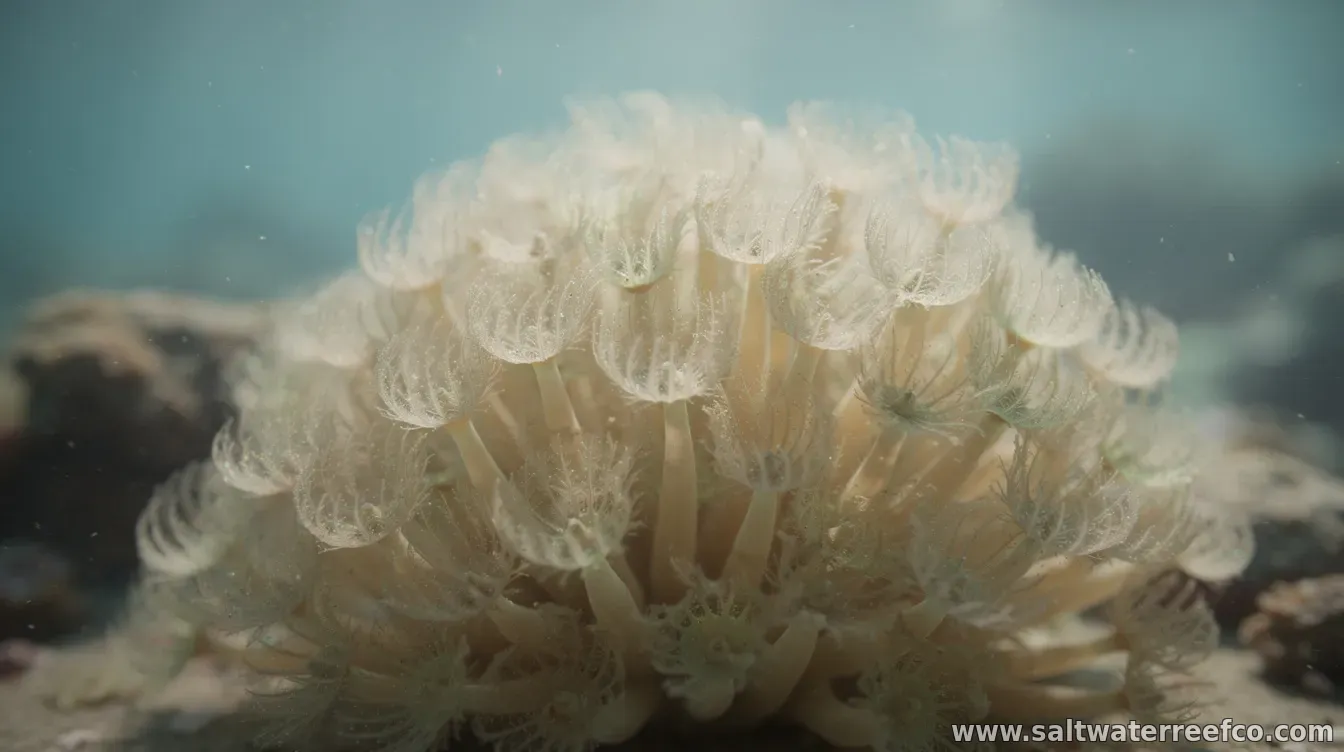
Xenia is a genus of soft marine corals recognized for their photosynthetic lifestyle and distinctive, waving polyps. Commonly observed in aquariums and shallow reef zones, these corals can create a lively motion in the water, resembling small, rhythmic “bubbles” or fingers as their tissue expands and contracts. Like many reef-associated cnidarians, Xenia corals rely on internal biological processes that are strongly influenced by the environment. A key feature of the genus is its ability to draw energy from photosynthesis, a trait that helps explain why suitable light and water conditions are often central to their survival. Central to Xenia’s biology is a symbiotic relationship with photosynthetic organisms living within the coral tissue. These partners capture light and contribute energy to the coral, supporting growth and normal metabolic activity. In practical terms, this means that water movement, light intensity, and water quality can directly shape how well the coral thrives. In reef habitats, Xenia is typically associated with areas where it can receive enough light to support photosynthesis while also benefiting from stable water flow. Currents help transport oxygen and nutrients, as well as remove waste products from around the coral’s surface—factors that can reduce stress and support overall tissue health. For aquarists, Xenia’s reputation often comes from both its appearance and its sensitivity to changes. Sudden shifts in lighting, salinity, or water chemistry may trigger retraction of polyps or slowed growth. Conversely, consistent conditions—combined with appropriate water movement—are frequently linked with more vigorous expansion. Although the genus is best known for its energy strategy and motion, it also reflects broader patterns seen across soft corals: their survival hinges on a balance of biological partnerships and environmental stability. As marine monitoring improves and aquarium husbandry knowledge grows, additional studies may further clarify species-level differences within the genus and their specific habitat preferences. Understanding Xenia therefore offers more than a description of a coral “look.” It provides a lens on how photosynthesis, symbiosis, and water flow interact in reef ecosystems—and why maintaining reliable conditions is so important for these soft corals, both in nature and in controlled settings. |
|
|
Next & Previous posts