1:47 AM Trinidad Plecostomus: Nocturnal Herbivore for 70+ Gallon Tanks |
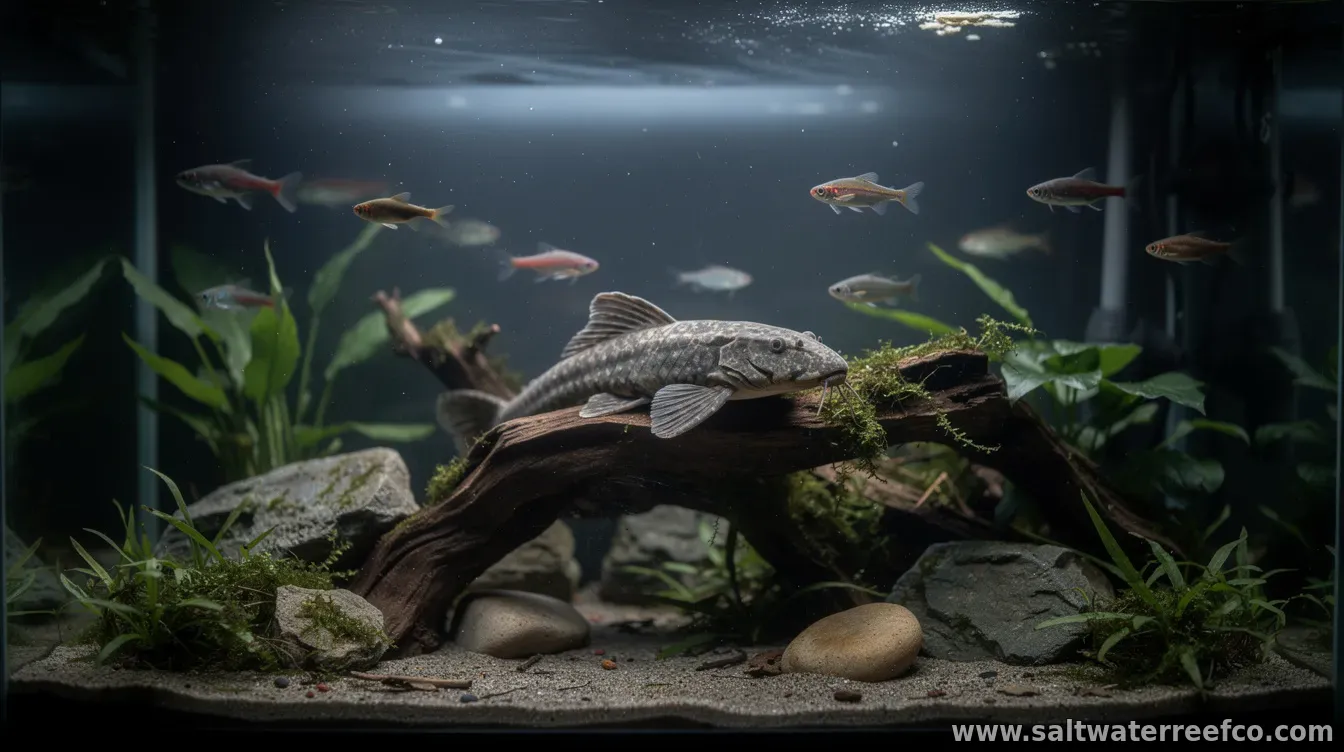
The Trinidad Plecostomus (often associated with pleco hobbyists’ “Trinidad” lineages) is best known for its nocturnal lifestyle and herbivore-leaning grazing. For many keepers, it’s an appealing option when a tank is large enough to provide stable territory, hiding spots, and consistent feeding. Because it is most active after lights out, this fish is rarely “center-stage” during the day—yet it can become a regular presence at night, picking at algae films and plant-based foods. That behavior makes it especially suitable for community setups where you want algae control without constant attention. Why a 70+ gallon community aquarium worksIn community aquariums, space and water quality matter for long-term success. A 70+ gallon tank gives more room to establish hiding areas, reduces stress from tankmates, and provides enough stable surface area and biofilm for grazing. It also helps buffer changes as the animal’s diet and activity settle in. That larger volume is particularly useful for pleco-type fish, which often benefit from calmer, well-structured environments. In practice, the goal is to create a layout with driftwood, rock caves, and shaded zones so the plecostomus can retreat during the day. Diet: nocturnal herbivore, not a “set-and-forget” algae machineAlthough it will graze, the Trinidad Plecostomus should not be treated as the sole solution for algae. As a herbivore, it typically does best with a plant-forward feeding routine—especially foods designed for herbivorous bottom dwellers and plecos. Many aquarists feed at night to match its natural rhythm: algae-based sinking wafers, blanched vegetables, and other herbivore-leaning staples (in appropriate portions). This approach supports steady health and reduces the likelihood of the fish competing for food during daytime feeding windows. Tankmates and behavior in mixed communitiesIn a peaceful community, a nocturnal herbivore plecostomus generally integrates well, especially when tankmates are not aggressive toward bottom dwellers. Consider the community’s overall temperament and avoid species known for constant chasing or fin-nipping, which can disrupt a nocturnal animal’s routine. During daylight, you’ll often find it in shelter or lightly foraging. At night, expect more visible movement—especially around grazing surfaces and prepared feeding areas. Habitat essentials: hiding, surfaces, and stable conditionsTo encourage natural behavior, include plenty of structure: driftwood, rockwork, and cave-like spaces. A mature tank also helps, because grazing success often improves when the system has developed biofilm and consistent algae growth. Stable filtration and regular maintenance remain critical for any plecostomus kept in a community aquarium. When planning your setup, aim for a tank that can support long-term water quality and provide consistent “night access” to food. With those foundations in place, the Trinidad Plecostomus can become a dependable, nocturnal grazer that complements the rest of the community. |
|
|
Next & Previous posts