1:07 AM Snowflake Eel: Indo-Pacific Moray With a Striking Pattern |
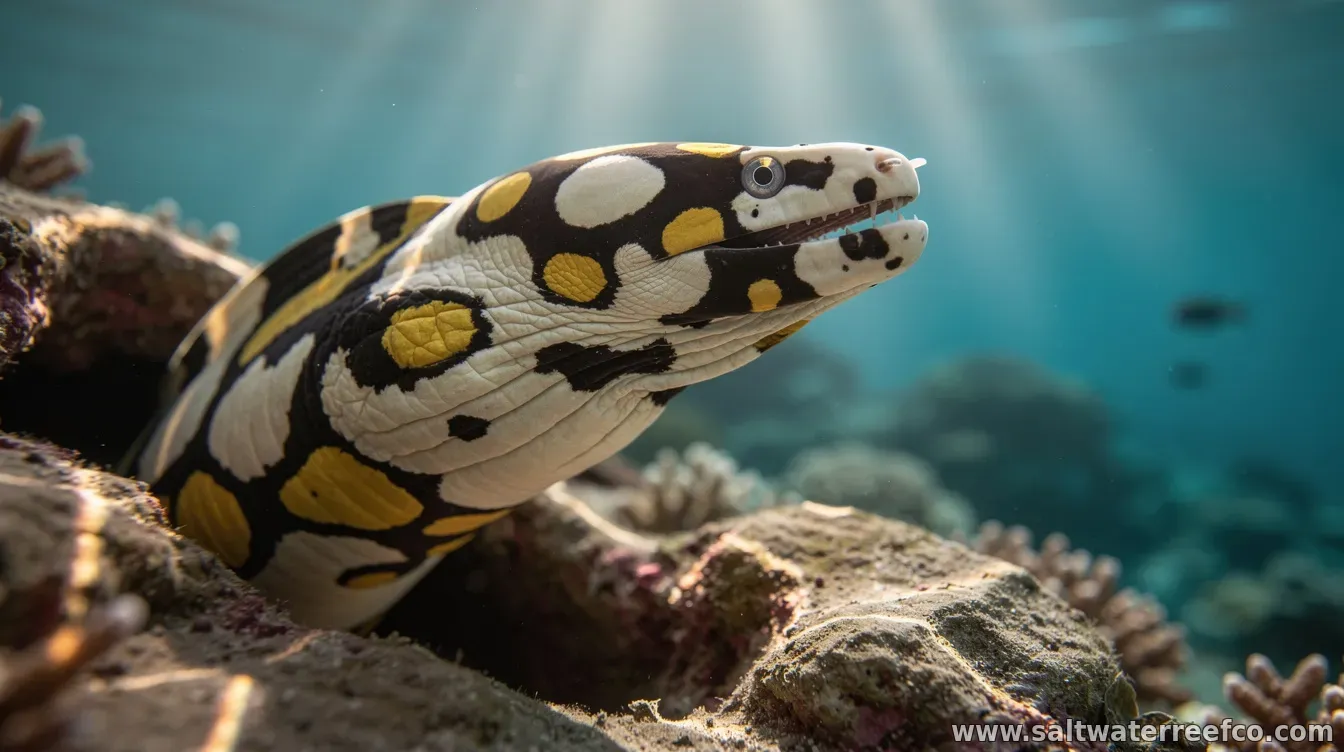
The snowflake eel is a striking moray found across the Indo-Pacific, known for the high-contrast, spotted pattern that gives it its common name. With its elongated body and alert, predatory posture, the species has become a favorite sight for underwater photographers and reef visitors. Despite its popularity in the aquarium trade and among divers, the snowflake eel’s ecological role is less about novelty and more about function. Like other morays, it is an ambush predator that helps regulate small reef-dwelling animals in complex habitat areas. Where it lives in the Indo-PacificSnowflake eels are typically associated with coral and rocky reef environments, where crevices provide shelter and hunting grounds. Divers most often encounter them in areas with abundant hiding places—under ledges, near caves, and along reef structures where prey tends to gather. Why the “snowflake” pattern stands outThe snowflake eel’s appearance is defined by a mottled arrangement of dark spots on a lighter background, creating a pattern that can look like scattered snowflakes. This camouflage-style coloration helps it blend into mottled reef light and shadow, supporting its ambush strategy. Its coloration can vary slightly by region and individual, but the overall contrast remains recognizable—part of why the species is often described as one of the more visually distinctive morays in its range. How it hunts and behavesAs a moray, the snowflake eel relies on staying concealed until prey comes close. When conditions are right, it can lunge quickly from its crevice, using sharp, well-suited teeth to seize targets. Field observations and divers’ accounts commonly describe the eel as alert rather than constantly active, spending much of its time near shelter and emerging when prey movement or currents bring opportunities within reach. Conservation and responsible viewingWhile the snowflake eel is widely distributed, interest from collectors and the aquarium market can increase pressure on local populations. Conservation-oriented groups and responsible dive operators emphasize ethical wildlife viewing—observing without harassment, avoiding habitat damage, and supporting credible sustainability practices. For reef ecosystems, the bigger takeaway is that the snowflake eel’s beauty is tied to healthy habitat. Protecting coral and rocky reef environments benefits the eel and the broader community of species that share the same shelter-rich waters. As underwater tourism and wildlife photography continue to grow, the snowflake eel remains a compelling reminder that striking appearance and ecological importance often go hand in hand—making stewardship as important as discovery. |
|
|
Next & Previous posts