1:35 AM Scatfish Care Guide: Hardiness, Temperament, and Habitat |
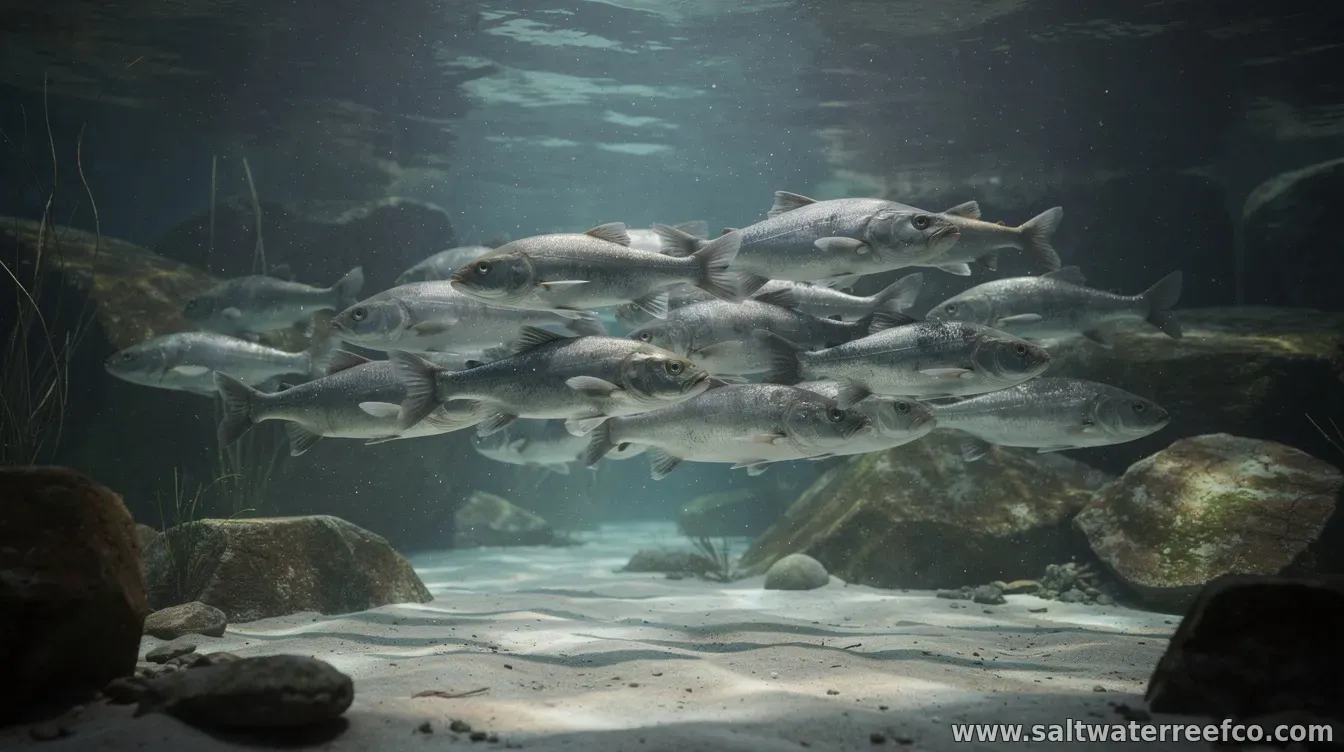
Scatfish are known for their resilience and adaptability, making them a popular choice for experienced hobbyists who want an active, character-filled fish. These schooling species tend to be semi-aggressive—especially when conditions are tight or compatible tankmates are poorly matched. In terms of habitat, scatfish generally do best in brackish to saltwater setups. Their natural environment spans coastal waters where salinity can vary, which is why maintaining stable parameters in captivity matters more than chasing extreme swings. Temperament and social behaviorWhile scatfish often move in groups and display active schooling behavior, they may still show territorial or fin-nipping tendencies as they establish space—particularly if the aquarium is understocked. Keeping them in a proper school size can reduce stress and aggression by spreading attention across multiple fish. As with many semi-aggressive species, tankmates should be chosen carefully. Fast, sturdy fish that occupy different areas of the tank are often a better fit than slow, delicate species that can be easily harassed. Environment: salinity, water quality, and spaceScatfish thrive when water quality is consistent. Their hardy reputation doesn’t eliminate the need for good filtration, regular maintenance, and thoughtful feeding, since waste buildup can still degrade conditions quickly. Equally important is enough swimming and rooting space. Scatfish are energetic and frequently explore their surroundings, so a cramped layout can increase conflicts and make it harder for fish to avoid one another. Feeding and day-to-day careScatfish are often described as accommodating feeders, but their best results come from a varied diet. Offering a mix of meaty foods and sinking options can align with their natural foraging behavior and help support overall condition. Because they are active and may grow quickly in the right conditions, keep an eye on body condition and adjust feeding to avoid overfeeding. Pair that with stable water parameters to promote long-term health. For hobbyists considering scatfish, the main takeaway is that their success hinges on three factors: brackish-to-saltwater conditions, adequate space and a schooling setup, and careful tankmate selection. When those pieces align, scatfish can be both resilient and rewarding to keep. |
|
|
Next & Previous posts