8:06 AM Saltwater reef aquariums: care for exotic corals |
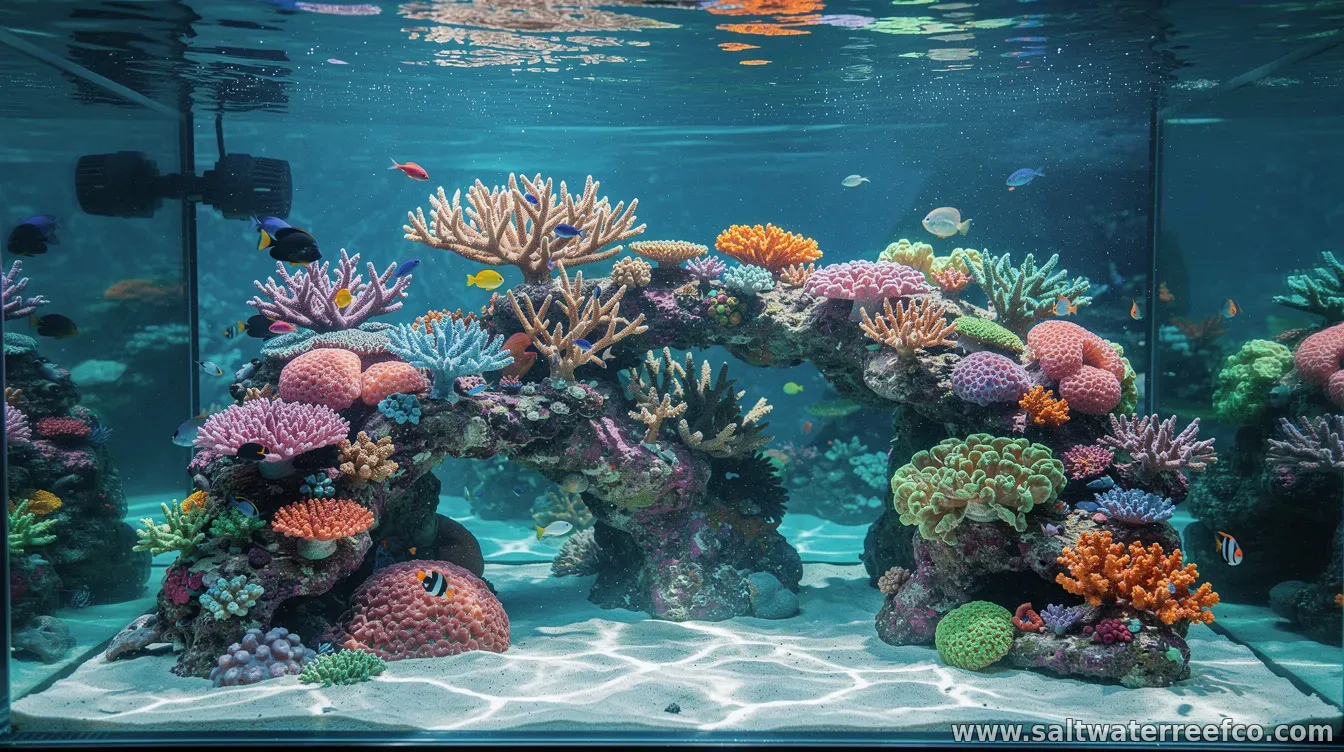
Saltwater reef aquariums captivate hobbyists with vibrant corals and diverse marine life. A successful reef depends on careful planning, stable water chemistry, and appropriate lighting. Start by choosing a tank size that fits your available space and budget, as larger systems typically offer more stable conditions and room for growth. Overview: A reef tank combines live rock, a protein skimmer, and precise lighting to sustain corals that rely on photosynthesis and symbiotic algae. Exotic corals come in many shapes and colors, but they differ in their lighting, flow, and feeding needs. Plan for a robust filtration setup and a reliable, maintainable water-change routine. Key equipment and parametersImportant components include a high-quality return pump, adjustable fish-friendly powerheads for water motion, and LED or T5 lighting designed for coral growth. Regularly monitor salinity, alkalinity, calcium, magnesium, and nutrient levels. Small fluctuations can stress corals and promote unwanted algae growth. Lighting should mimic natural reef conditions with a photoperiod that supports coral growth without overheating the tank. Many exotic corals require strong, broad-spectrum light and moderate to high water flow. A gradual acclimation period helps corals adapt when adding them to the system. Coral selection and compatibilityWhen adding exotic species, check compatibility with your existing inhabitants and with each other. Some corals release toxins or compete aggressively for space, so plan placement carefully. Start with hardy, intermediate-care species to build experience before attempting more demanding varieties. Consider reef-safe fish and invertebrates that contribute to tank health, such as clean-up crews that remove detritus. Quarantine new arrivals to minimize disease risk and avoid introducing pests into an established reef. Maintenance and common challengesRegular water changes, parameter checks, and equipment maintenance are essential. Watch for signs of stress in corals, such as bleaching or recession, which may indicate lighting or flow imbalances, nutrient spikes, or pests like flatworms. For sustainability, source corals from reputable suppliers, confirm proper permits if collecting seasonally, and avoid harvesting from wild populations where possible. Document changes to track what works best in your specific setup. Next stepsDetail your goal for the reef system, set a realistic budget, and build a phased plan. Seek expert advice from local reef clubs or online communities, and start with a well-planned baseline before expanding to more exotic selections. With patience and careful management, a saltwater reef can flourish for years. |
|
|
Next & Previous posts