1:04 AM Randall’s Shrimp Goby: Reef-Safe Symbiotic Star |
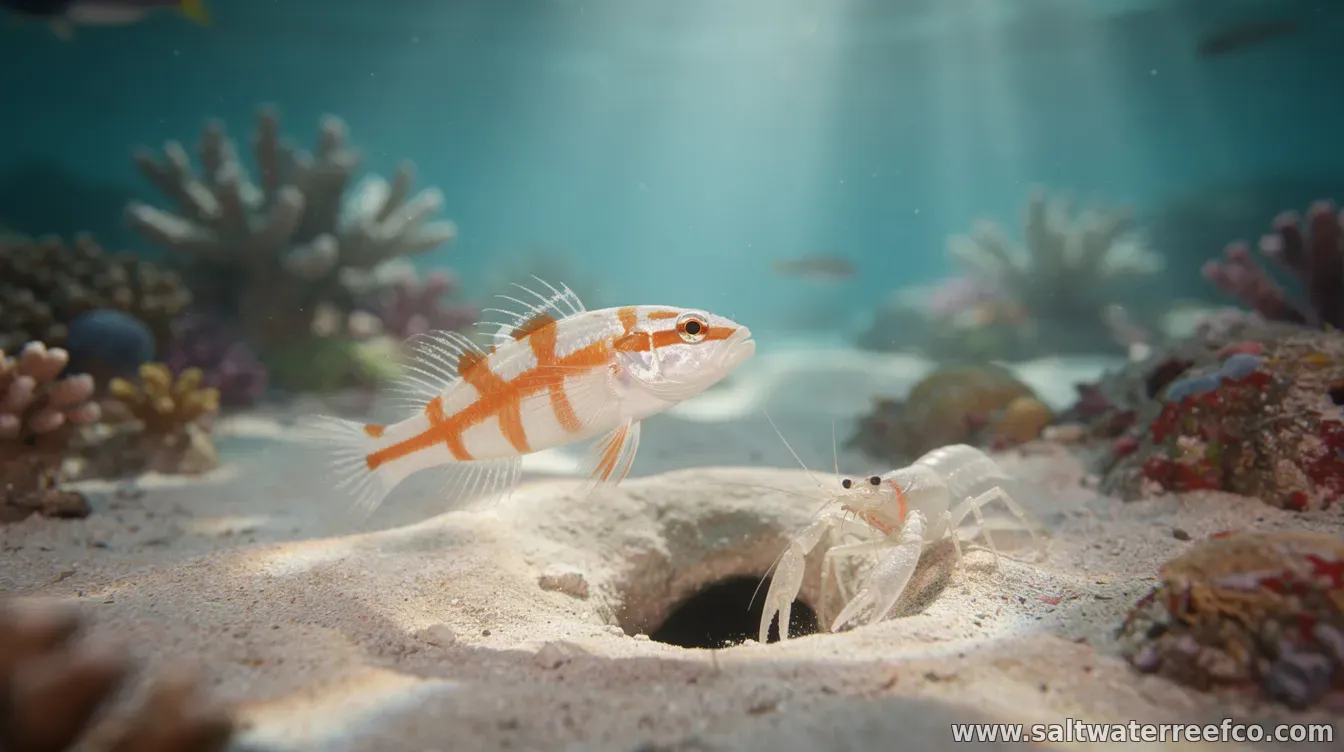
Randall’s shrimp goby (Amblyeleotris randalli) has become a standout among reef aquarium fish for one simple reason: it combines an eye-catching appearance with behavior that’s both calm and captivating. With a clean, white body banded by bright orange stripes, the species offers visual contrast that draws attention without disrupting the look of a well-kept reef. Just as importantly, the species is widely regarded as reef-safe. That reputation makes it attractive to aquarists who want additional movement and character in their tanks while minimizing the risk of harming corals, invertebrates, or other commonly kept reef species. A striking pattern, a gentle presenceIn the wild, Randall’s shrimp goby stands out against sandy or rubble substrates where it typically rests near its burrow system. In home aquariums, its bold orange striping against a pale body creates a “high-clarity” look—particularly noticeable under reef lighting. The fish’s calm demeanor helps it integrate well with many community setups, provided its basic needs are met. The symbiosis that defines the speciesWhat truly separates this goby from many other reef fish is its relationship with a burrowing shrimp. The goby and shrimp effectively cooperate around shared shelter—working together in a way that aquarists often find rewarding to observe. Once established, the pair can spend time stationed near the burrow entrance, with the goby acting as a lookout while the shrimp manages the home system. This behavior can make the species feel unusually “alive” for a small reef fish. Rather than constant darting or aggressive interactions, the goby often displays purposeful, patterned movement—especially as it positions itself near the burrow and responds to changes in the tank environment. Tank considerations for aquaristsFor best results, aquarists generally focus on substrate and structure. Because the goby is associated with burrowing activity, tanks with appropriate sand or fine substrate and enough rockwork for stable hiding places tend to support more natural behavior. Keeping water quality strong—along with stable temperature and consistent maintenance—also helps the fish remain active and comfortable. While the goby is considered reef-safe, compatibility still depends on the broader community in the tank. Aquarists typically choose tankmates that won’t harass smaller, calmer fish and that can coexist peacefully within the same footprint of rock and open areas. Diet and acclimation: simple, but importantLike many reef-associated species, Randall’s shrimp goby benefits from a varied diet that can include small, sinking or readily available foods appropriate for small fish. During acclimation, minimizing stress is key—slow transitions and careful monitoring can improve how quickly the goby begins feeding and settles into its chosen territory. Once established, the species is often described as steady rather than temperamental. That stability—paired with its striking coloration and its shrimp-linked routines—helps explain why it remains a popular pick for aquarists looking for a reef-ready fish with “personality.” For hobbyists seeking a reef-safe addition that delivers both visual impact and intriguing symbiotic behavior, Randall’s shrimp goby offers a compelling mix. With the right substrate conditions and calm tankmates, it can become a long-term, low-drama highlight—turning a familiar reef scene into something unmistakably special. |
|
|
Next & Previous posts