1:48 AM One unstable parameter can destabilize a reef tank |
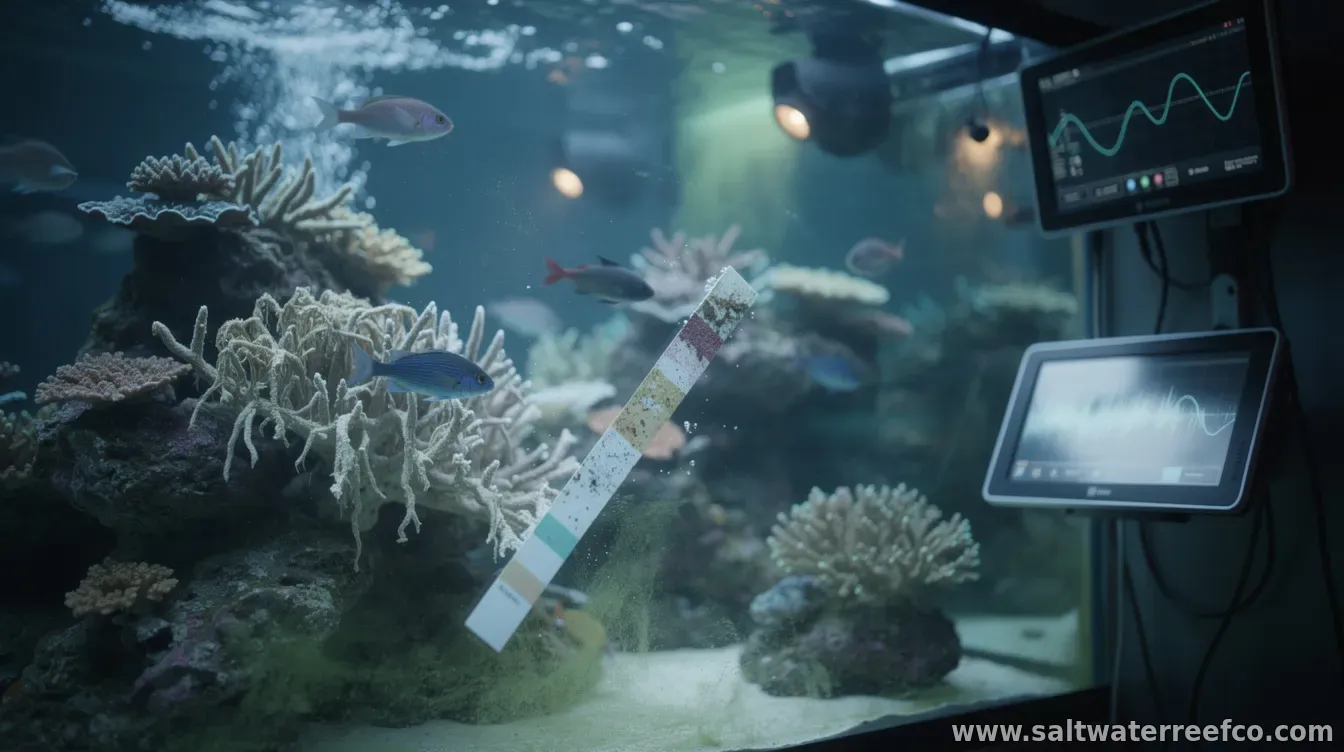
Reef tanks are delicate micro-ecosystems. A single unstable parameter—such as pH, salinity, ammonia, or calcium—can trigger a cascade of stress across corals and livestock. When any core water quality metric drifts, metabolism, immune response, and calcification processes can falter, making residents more susceptible to disease and bleaching. Understanding the risk — Coral reefs in aquariums rely on stable chemistry. Small, repeated swings in key parameters can accumulate effects over days and weeks, stressing immune systems and altering microbial balance. This isn’t just about one number; it’s about how all measurements relate to each other, and how the tank’s inhabitants respond to those relationships. Common culpritsMany reef-keeper headaches stem from improper salinity, fluctuating temperature, or sudden changes in calcium and alkalinity. Low or high pH can shift carbonate chemistry, affecting calcification. Elevated ammonia or nitrite confirms a breakdown in the biofilter, and can quickly harm fish and corals. Tap water contaminants, inadequate top-offs, or inconsistent dosing routines are frequent sources of drift. Maintaining stabilityPrevention starts with consistent routines: reliable testing (daily during changes, weekly otherwise), gradual adjustments (never abrupt), and redundancy in equipment (auto top-off, reliable heaters, and calibrated refractometers). Regular water changes, balanced feeding, and compatible lighting schedules support steady growth and health. When parameters do drift, identify the root cause—whether it’s a spike in organics, a gear fault, or a miscalibration—and correct it before it escalates. Practical steps for hobbyistsTrack trends, not single readings. Maintain a parameter log, align alkalinity and calcium targets, and use stable salinity measures. Consider quarantining new livestock to prevent introducing imbalances, and set up alarms for out-of-range values. In mature systems, even small improvements in stability can lead to better coloration, growth, and resilience among corals and fish. |
|
|
Next & Previous posts