1:15 AM Melanurus Wrasse: A Colorful Reef Favorite |
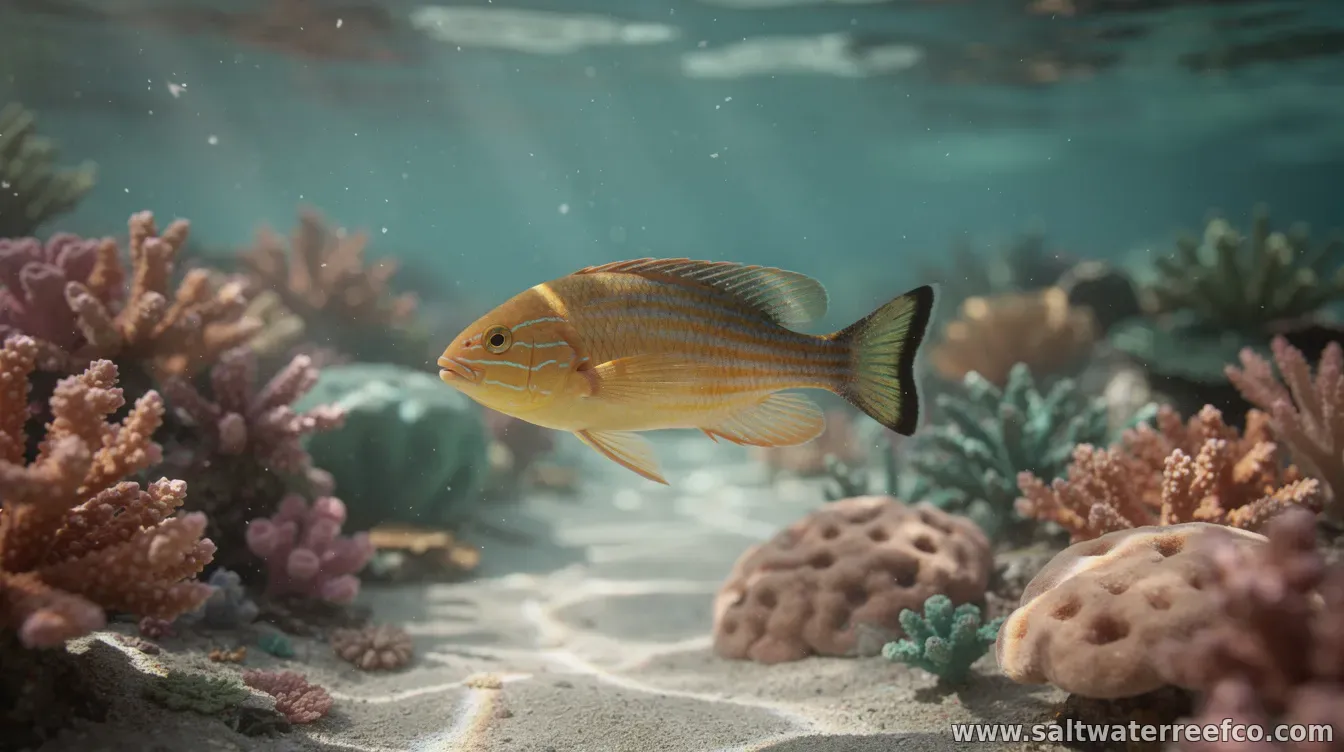
The Melanurus Wrasse (Macropharyngdon meleagris) has long been a beloved sight in coral reefs across the Indo-Pacific. Its vivid palette—warm orange to pinkish tones with a distinctive dark spot near the tail—makes it one of the most photogenic wrasses in the hobby. In the wild, this species maintains a relatively tranquil presence, often darting between rocks and coral with purposeful, almost theatrical calm. In captive aquariums, the Melanurus Wrasse earns praise for its hardiness and adaptability. It prefers rocky or rubble substrates where it can forage for small invertebrates and crustaceans, contributing to the overall health of a reef setup by helping control pest populations. Prospective keepers should aim for a well-established tank with plenty of crevices, hiding spots, and stable water quality to reduce stress during acclimation. Size-wise, mature Melanurus Wrasses typically reach about 5 to 6 inches, though growth can vary with diet and tank conditions. A varied diet that includes frozen mysis, mysid shrimp, and vitamin-enriched foods supports vibrant coloration and long-term health. As with many wrasses, providing ample hiding places helps reduce stress, especially during feeding or when new tank mates are introduced. Potential tank companions should be chosen carefully to minimize aggression. While the Melanurus Wrasse is generally peaceful with most reef residents, it may establish pecking order with similar-looking wrasses or more territorial species. Aquarists often recommend a species-specific introduction window during a larger, cycled community tank to reduce conflict. For those considering this species for a reef display, a top priority is water stability. Maintain parameters within typical reef ranges: temperature around 24–26°C (75–79°F), salinity near 34–35 ppt, and steady pH in the mid-8s. Regular monitoring and a robust filtration system support consistent color development and activity levels. In sum, the Melanurus Wrasse offers color, curiosity, and a relatively forgiving temperament for established reef tanks. With proper care, it can become a centerpiece that delights both divers and aquarists alike as it glides through a thriving underwater landscape. |
|
|
Next & Previous posts