2:19 AM Illinois Aquarium Plans: Key Rules, Costs, and Best Practices |
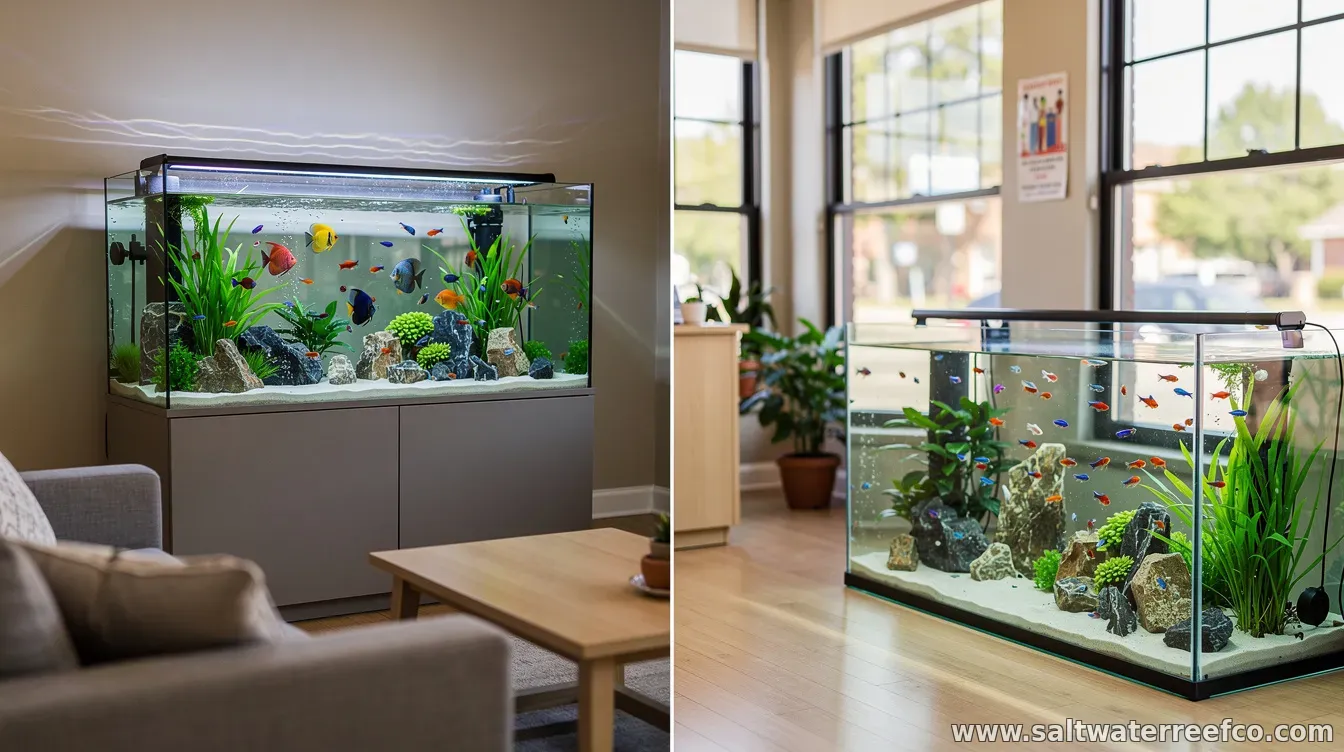
Thinking about installing a home or business aquarium in Illinois can be exciting—but it also comes with practical and regulatory considerations. Whether you’re building a small living-room setup or an exhibit tank for a storefront, the biggest wins come from planning ahead: selecting appropriate species, sourcing responsibly, and setting up safe maintenance routines. Start with species choice and sourcingIn aquarium projects, the first decision that affects legality and long-term success is what you keep. Some species are sensitive to temperature, water chemistry, and diet, while others may raise concerns if they could be released into local waters. For that reason, it’s generally best to purchase from reputable suppliers that can provide accurate information about care requirements and whether a species is commonly kept in captive settings. Know your responsibilities for water and wasteRoutine aquarium maintenance produces wastewater—such as water removed during water changes, tank cleaning residues, and filter media waste. Illinois aquarium owners and businesses should plan for proper disposal rather than draining questionable material into storm drains or natural waterways. If you’re unsure, check local guidance or ask your vendor what they recommend for disposal practices in your area. Business aquariums may need additional planningFor public-facing installations—like restaurants, offices, or retail displays—risk management matters. Consider accessibility and safety around electrical equipment, slip hazards near wet areas, and how you’ll handle emergencies such as power outages, equipment failures, or leaks. Businesses should also plan staffing or service schedules, since reliability is a major expectation for customer-facing exhibits. Avoid invasive and release risksOne of the most important themes for aquarium owners statewide is preventing release into the environment. Even “small” decisions—like what you do when downsizing, relocating, or ending a tank—can create problems if animals are disposed of improperly. Plan ahead for transfers to other responsible owners or for handling rehoming through legitimate channels, and never dump aquarium contents into outdoor drainage systems. To reduce risk, keep an inventory of what’s in your tank and where it came from, document maintenance routines, and ensure anyone helping with the aquarium understands basic containment and disposal rules. These steps also make it easier to respond if a supplier later helps with rehoming guidance. Finally, remember that aquarium success is a long-term operations project. Budget for ongoing supplies (food, water conditioners, filters, test kits, and replacement parts) and for service time—especially during seasonal temperature shifts. With careful planning, a home aquarium can thrive for years, and a business aquarium can become a reliable, engaging feature that customers and staff enjoy. |
|
|
Next & Previous posts