0:48 AM How to Get Rid of Aiptasia in Your Reef Tank |
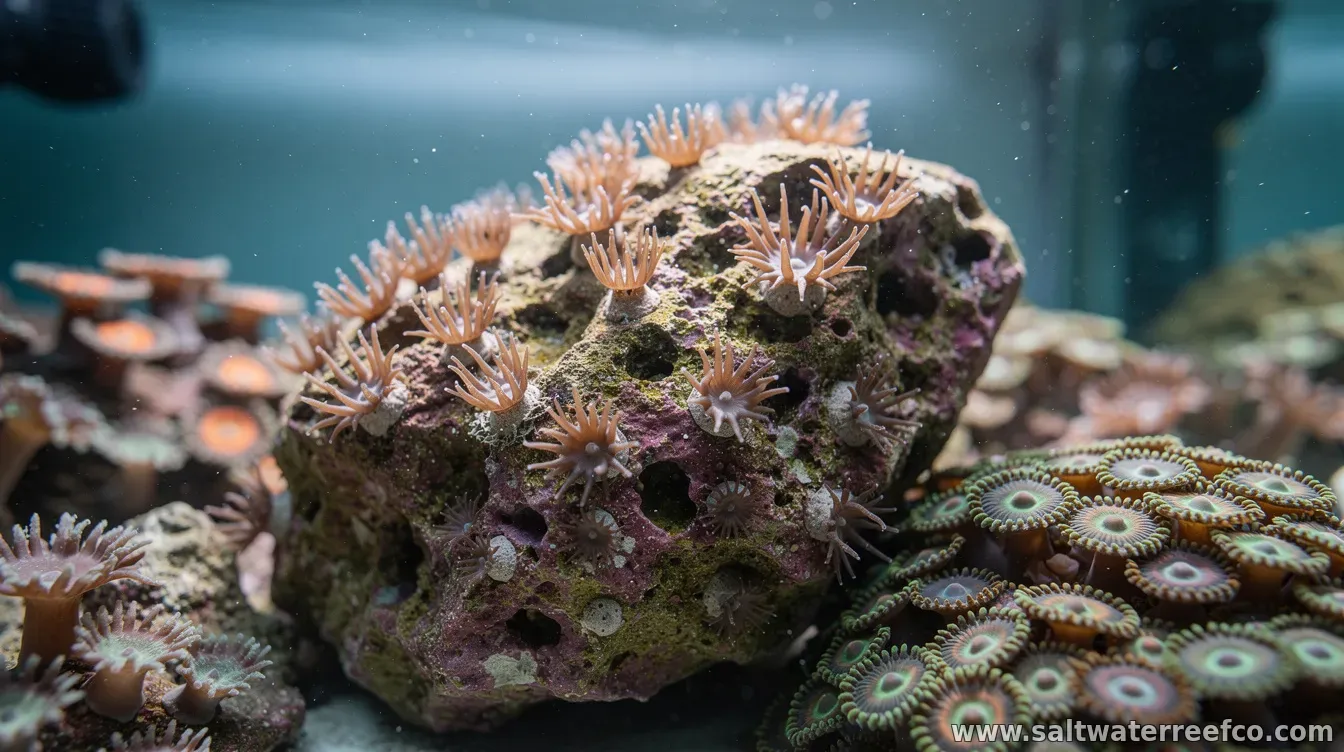
Aiptasia “glass anemones” are common nuisance anemones that can sting corals, spread across live rock, and multiply faster than many reef keepers expect. While total eradication can take patience, a structured approach—combining targeted killing with prevention—can usually bring aiptasia outbreaks under control. Confirm what you’re seeingBefore treating, make sure you’re dealing with aiptasia (often small, translucent to brownish anemones with a distinct column and fast retraction when disturbed). Misidentification can lead to ineffective treatments or harm to desired invertebrates. If possible, compare with trusted reef-identification resources or share photos with a local reef club. Target the anemone (and its base)The most reliable removal strategy is spot treatment that reaches the base of the anemone in the rock crevice—because leftover tissue can regenerate. Common reef-safe methods include localized injections of kalkwasser (calcium hydroxide) or other dedicated spot-killing products designed for aiptasia. Apply directly at the mouth/base area, keeping the flow low so the material doesn’t disperse. For tanks where injection is feasible, use a syringe or precision applicator and work slowly. Expect some initial “retraction,” followed by regrowth attempts if the base wasn’t fully treated. Revisit treated spots after a few days and repeat if you see new growth. Consider natural long-term controlMany keepers also use reef-safe biological controls. Butterflyfish (in species-appropriate setups), some peppermint shrimp, and other specialized reef predators may reduce ongoing numbers. However, success varies widely: some predators ignore aiptasia, compete for food, or don’t perform well once other algae or foods are abundant. If you add a biological control, quarantine when appropriate and monitor closely. Also plan that biological control alone may not remove established colonies—spot treatment is often still needed. Use nutrient and flow management to reduce resurgenceAiptasia can benefit from conditions that also stress corals—excess nutrients, unstable alkalinity, and periods of heavy detritus buildup can create opportunities for nuisance organisms. Maintaining stable parameters, increasing export (without stripping the tank), and improving detritus removal help reduce the “open niche” that aiptasia exploit. Targeted flow is important too: avoid dead spots where larvae and fragments can settle. Regularly clean filter socks, adjust circulation so debris doesn’t accumulate behind rockwork, and keep feeding consistent (don’t overfeed).
With consistency, many aquarists see a marked reduction within a couple of weeks, followed by a maintenance phase where newly sprouting individuals are handled immediately. While there’s no single guaranteed “one-and-done” solution, combining base-targeted killing with good tank stability and early re-treatment is the most dependable path to long-term control. |
|
|
Next & Previous posts