1:52 AM Filtration Essentials for a Saltwater Aquarium |
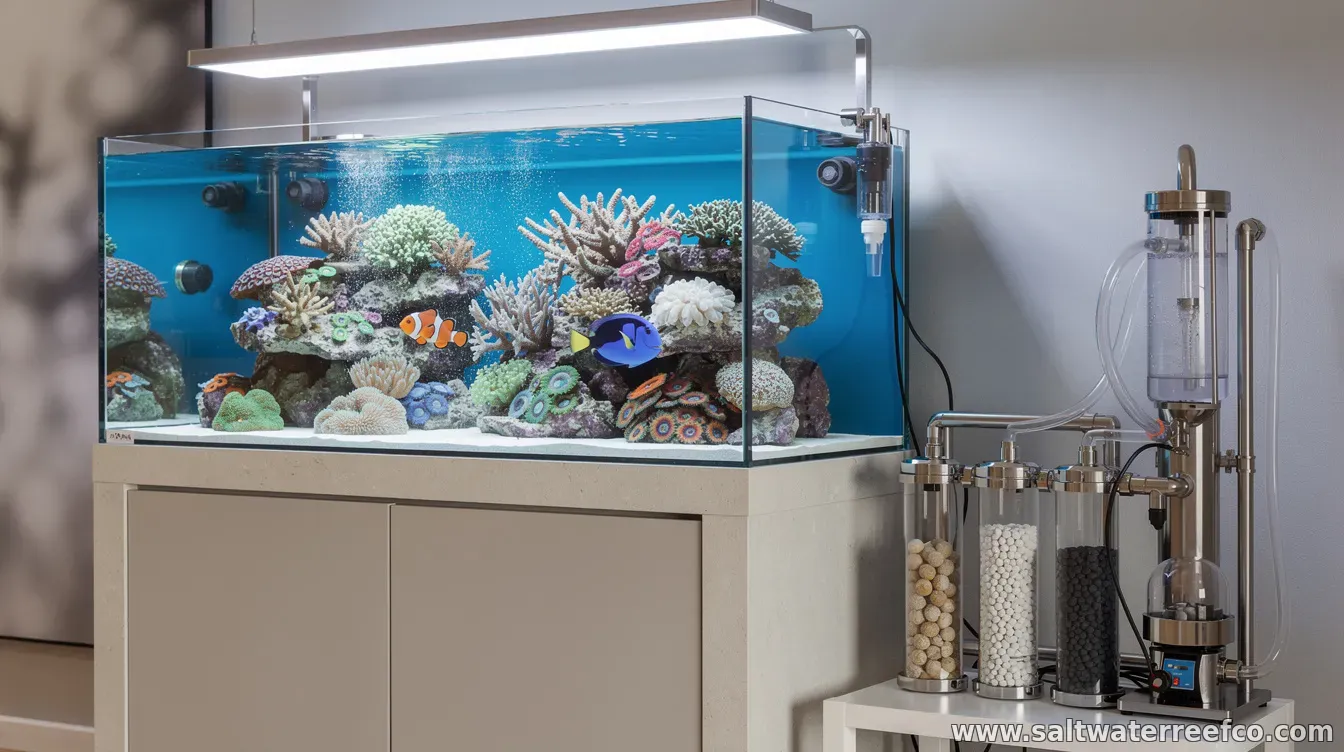
Saltwater aquariums require a combination of filtration methods to maintain stable water chemistry and a clear, healthy environment for marine life. No single system covers all needs, so most setups use a mix of mechanical, chemical, biological, and water movement filtration. 1) Protein skimmer – A cornerstone for most saltwater systems. It removes organic compounds before they break down, reducing dissolved inorganic nutrients like ammonia and nitrite. For tanks 20 gallons and larger, a quality skimmer is typically essential; smaller tanks may manage with careful maintenance but still benefit from one. 2) Mechanical filtration – Sponge or filter pads, filter socks, or floss capture particles and debris. Change or rinse media regularly to prevent backpressure and bacterial blooms. In reef setups with heavy bioload, consider high-quality mechanical media paired with a protein skimmer. 3) Biological filtration – Live rock and carefully chosen substrate host beneficial bacteria that convert ammonia to nitrite and nitrite to nitrate. A well-established live rock base is often the primary biological filter. In larger systems, you may supplement with bio-balls or ceramic media, but live rock remains preferred for many hobbyists. 4) Chemical filtration – Activated carbon, poly-filter media, or water clarifiers help remove dissolved organics and toxins. Chemical media should be checked and replaced according to product guidelines; avoid overuse, which can strip essential elements from the water. 5) Refugium and macroalgae – A refugium provides a dedicated space for beneficial microfauna and macroalgae to grow, which helps remove nitrates and phosphates indirectly. It also adds habitat for pod populations that support reef inhabitants. 6) Water movement and filtration integration – Adequate turnover (measured in reef tanks as air-filled or water flow per hour) ensures filtered water reaches all areas of the tank. Combine powerheads or wavemakers with your filtration setup to prevent dead zones and promote gas exchange at the surface. Choosing a setup by tank type – For fish-only setups, a strong protein skimmer, good mechanical filtration, and a reliable biological base are typically sufficient. Reef tanks usually require a higher flow, robust skimming, and stable calcium/alkalinity management in addition to filtration choices. Maintenance tips – Regularly inspect and clean skimmers and reactors, replace mechanical media as recommended, and monitor water parameters (ammonia, nitrite, nitrate, phosphate, calcium, alkalinity). Establish a weekly to biweekly routine based on bioload and tank size to avoid nutrient spikes. |
|
|
Next & Previous posts