2:07 AM Facility Fish Acclimation Process Aims for Healthier Transfers |
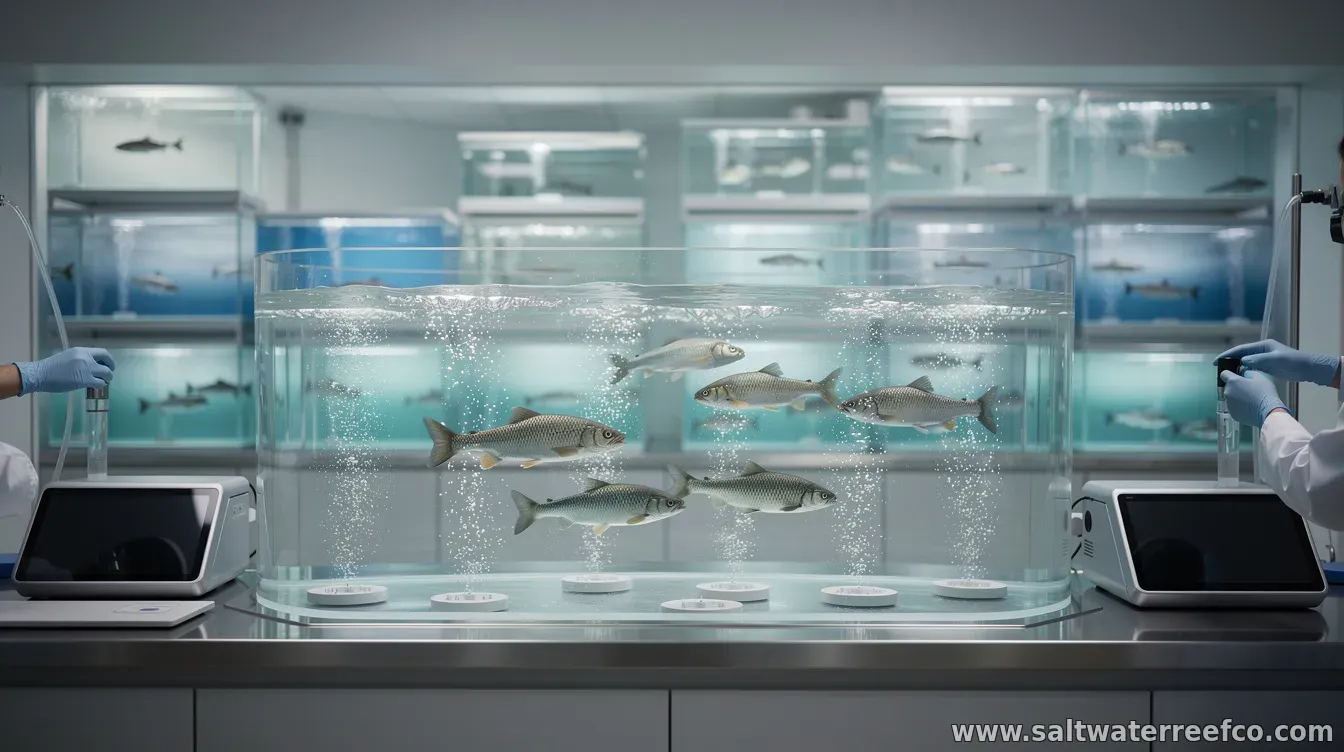
A facility described a controlled fish-acclimation workflow designed to help animals adjust smoothly before moving to their new environment. The process combines staged exposure, ongoing health checks, and feeding-focused conditioning to improve transfer outcomes. According to the facility’s approach, acclimation is carried out in gradual steps rather than abrupt changes. That method is intended to minimize stress from shifts in temperature, water chemistry, and handling conditions. Monitoring is described as continuous and data-driven, with staff observing behavior, feeding responses, and general condition. The goal is to identify issues early—before they can affect appetite or overall wellbeing. Conditioning, including readiness for consistent feeding, is presented as a central part of the program. By focusing on feeding performance during the acclimation window, the facility aims to support animals that are prepared to resume normal eating patterns in their incoming habitat. The facility also emphasizes that preparation is not a single event. Instead, acclimation and assessment continue until each fish meets defined readiness indicators, including stable activity levels and reliable consumption. What the process is designed to improveOfficials say the workflow is built to reduce variability between batches and improve outcomes after transfer. In practice, that can mean fewer feeding disruptions and more predictable adaptation to new conditions.
While specific performance metrics were not provided in the statement, the facility framed its program as a health-first standard for fish transfers—prioritizing careful preparation so each animal arrives ready for its new home. The next step, the facility indicated, is continued refinement of monitoring protocols and conditioning targets to further improve readiness and long-term wellbeing for transferred fish. |
|
|
Next & Previous posts