1:11 AM Essential water parameters to test regularly for healthy aquariums |
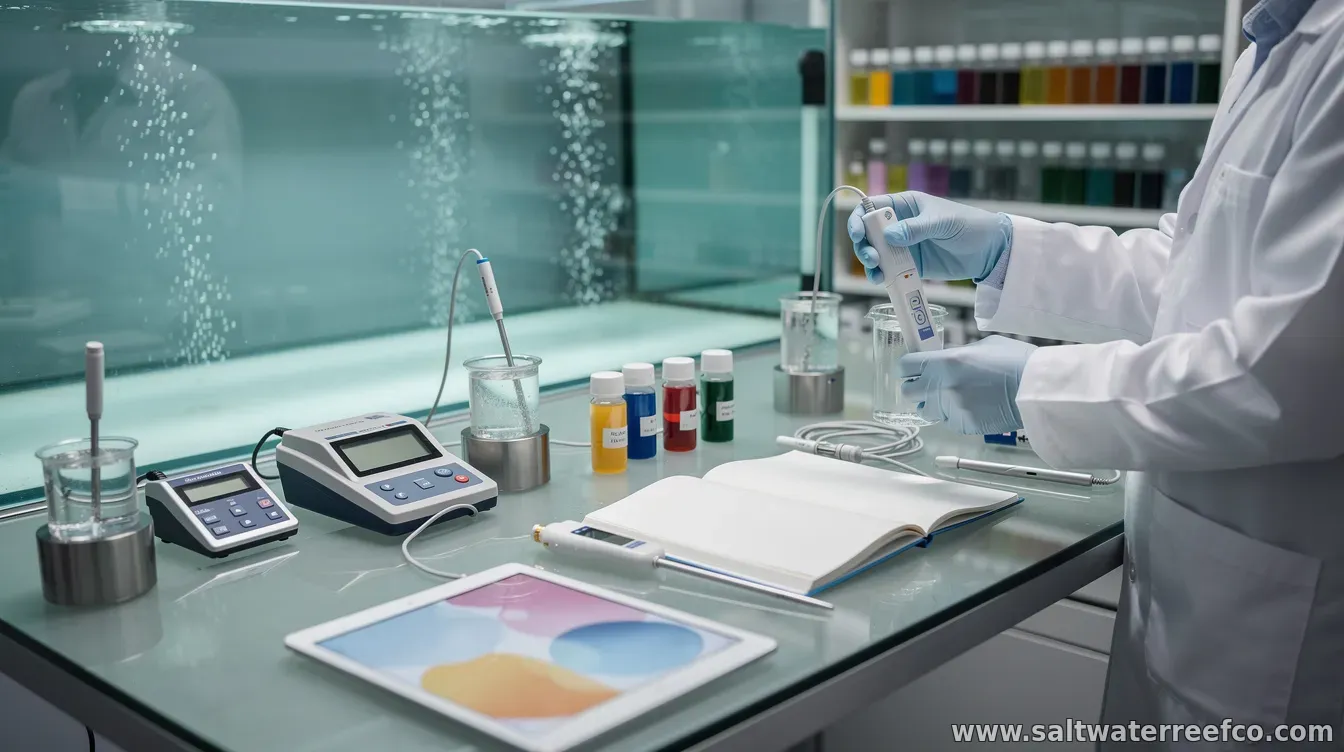
Maintaining stable water conditions is critical for fish health, growth, and overall tank stability. Regular testing helps you spot problems early and adjust water parameters before they stress or injure your aquatic life. Core freshwater parameters 1) Temperature: Most freshwater species thrive within a specific range. Sudden changes can stress fish and disrupt biological filtration. Use a reliable thermometer and aim for a steady temp appropriate to your bioload and species. 2) pH: The acidity or basicity of the water influences metabolism and disease resistance. Keep pH within the target range for your species, and monitor shifts after water changes or after introducing new decor or substrate. 3) Ammonia (NH3/NH4+): Ammonia is highly toxic to fish. It should read as near zero in established tanks. Test after major changes, when adding new stock, or after filter maintenance. 4) Nitrite (NO2-): Also toxic to fish, especially juvenile specimens. Like ammonia, nitrite should be at or near zero in healthy systems. 5) Nitrate (NO3-): A less immediately toxic compound but accumulates over time. Keep nitrate at safe levels by regular water changes and proper plant or biofilter management. 6) Dissolved Oxygen (DO): Adequate oxygen is essential for respiration and nitrification in the filter. Ensure good surface agitation and avoid overstocking to maintain healthy DO levels. 7) General Hardness (GH) and Carbonate Hardness (KH): GH measures mineral content, while KH buffers pH. The right ranges depend on your species and whether you have soft or hard-water preferences. Core saltwater parameters 8) Salinity: In marine tanks, salinity affects osmoregulation and organism health. Use a refractometer or hydrometer and keep salinity within the target range for your reef or fish-only system. 9) Calcium and Magnesium: Essential for coral growth and skeletal strength in reef tanks; maintain appropriate levels to support corals and invertebrates. 10) Alkalinity (carbonate hardness): Helps stabilize pH and supports coral health in reef systems. Regular checks prevent pH swings that stress inhabitants. 11) Phosphate and Nitrite/Nitrate: While nitrate remains relevant in saltwater systems, phosphate management helps control algae growth and water clarity. Test and manage as part of a balanced ecosystem. How often to test and best practices For a new tank or after major changes, test weekly for the first month, then scale to every 2–4 weeks depending on stability, stocking, and filtration. Always test after water changes, product additions, or equipment adjustments. Keep a simple log of results and track trends over time to catch slow shifts before they become problems. Use fresh test kits from reputable brands and follow the manufacturer’s instructions. Calibrate meters when possible and verify results with a secondary method if you’re unsure of a reading. In summary, the most important parameters to monitor regularly are temperature, pH, ammonia, nitrite, nitrate, and dissolved oxygen in freshwater tanks; and salinity, calcium, magnesium, alkalinity, and nitrate in saltwater systems. Regular testing helps you tailor maintenance and ensures a healthy, thriving aquarium ecosystem. |
|
|
Next & Previous posts