3:57 AM Custom Design: Every Aquarium Is Unique |
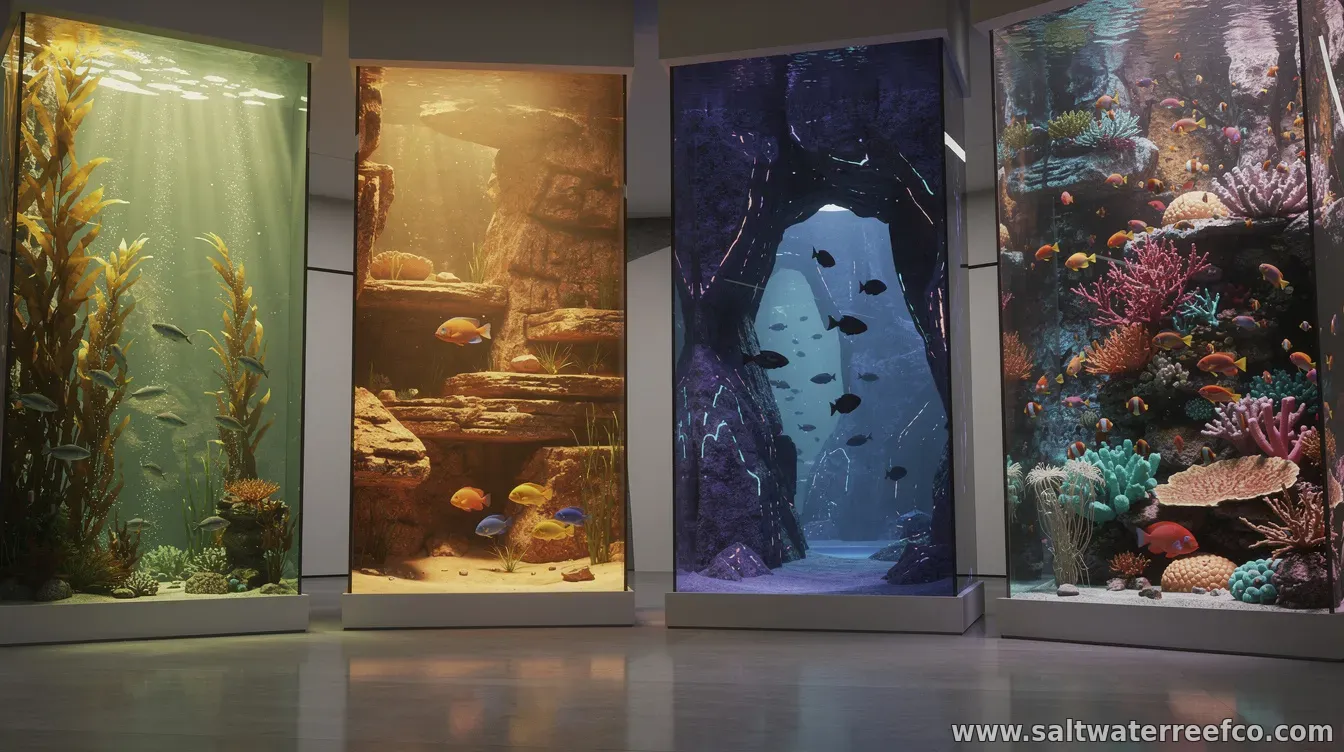
Custom design has moved from a niche hobby activity to a defining trend in modern aquarium keeping. Builders and hobbyists alike are embracing tailor-made tanks, where size, shape, filtration, substrate, and flora are selected to suit the specific water chemistry, space, and aesthetic goals of the owner. Lead designer insights confirm that no two tanks are alike because ecosystems respond differently to light, flow, and bioload. A custom approach starts with a site assessment: room dimensions, stand strength, electrical access, and glare control. This ensures the tank fits not just visually, but functionally within a living space or commercial setting. Key design pillars include structural integrity, precise water parameters, and visual harmony. Structural choices influence weight distribution and glass or acrylic thickness. Parameter planning involves target salinity, pH, hardness, and temperature tailored to the chosen species and plant palette. Aesthetics come from hardscape planning, substrate layering, and lighting schedules that mimic natural habitats. In practice, a custom project often unfolds in stages: concept sketch, 3D visualization, material sampling, and iterative calibration after setup. Early collaboration with a qualified aquarist or nano-reef specialist helps prevent common pitfalls such as algae blooms or incompatible species pairings. Real-world examples range from compact plasmid-style rimless tanks designed to showcase rainforest-in-a-glass habitats to large, immersion-style displays for public aquariums that balance storytelling with sustainable maintenance. Clients report greater satisfaction and longer-lasting ecosystems when their tanks reflect how they want to use the space and what they wish to observe daily. Next steps in the custom-design process typically include budget alignment, timeline planning, and maintenance planning. Pros emphasize documentation of water parameters, regular testing, and a scalable plan for future equipment upgrades as residents or staff change over time. Ultimately, the custom design philosophy centers on one principle: aquariums are living environments, not one-size-fits-all displays. By embracing individuality, hobbyists secure healthier ecosystems and more meaningful viewing experiences. |
|
|
Next & Previous posts