2:30 AM Black Ribbon Eel: Juvenile Yellow Dorsal Fins Distinguish This Striking Species |
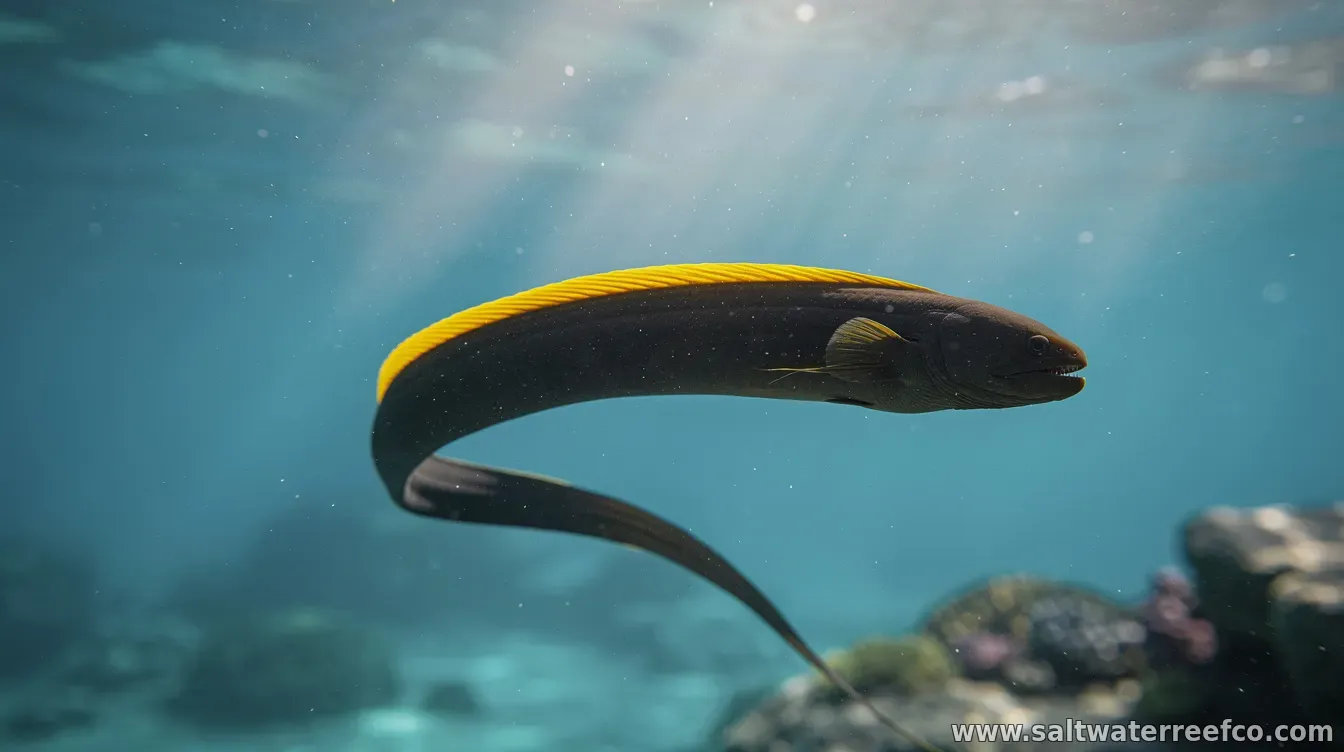
The Black Ribbon Eel (Rhinomuraena quaesita) captivates observers with its elongated, ribbon-like form and a color pattern that changes through life stages. Juvenile individuals display a vivid yellow dorsal fin atop a dark body, a striking contrast that distinguishes them from adults and other eel species. Experts note that the color transition is tied to the eel’s unique biology. As juveniles mature, their coloration shifts, offering clues about sex differentiation and social structure within reef communities where they are commonly found. While juveniles are often observed near coral crevices and lagoons, adults tend to inhabit deeper crevices and offshore reefs, where they hunt for small fish and crustaceans. Habitats for Black Ribbon Eels span tropical Indo-Pacific waters, with populations most frequently recorded around Indonesia, the Philippines, and western Australia. Their preferred environments include sandy or rubble substrates that protect them as they ambush prey. Researchers emphasize that water quality and reef health are critical to sustaining these long-lived eels, which can reach several feet in length. Behaviorally, Black Ribbon Eels are ambush predators with a quiet, patient approach. They rely on stealth and quick strikes to capture prey. Because they spend much of their lives inside narrow burrows, their visibility during field studies is often limited, making ongoing monitoring a challenge for scientists working to understand their full life cycle. Conservation officials caution that habitat degradation, pollution, and overfishing can impact eel populations by reducing available nursery grounds and disrupting reef ecosystems. Conservation groups advocate for reef protection and sustainable fishing practices to preserve this and other marine species that rely on pristine coastal habitats. For divers and underwater photographers, the Black Ribbon Eel offers a striking subject that illustrates the biodiversity of tropical reefs. Ongoing research aims to document color changes, maturation timelines, and ecological roles to better understand how these eels fit into their complex marine communities. |
|
|
Next & Previous posts