1:33 AM Aiptasia-Eating Filefish: Why Hobbyists Try Chaetodon tomentosus |
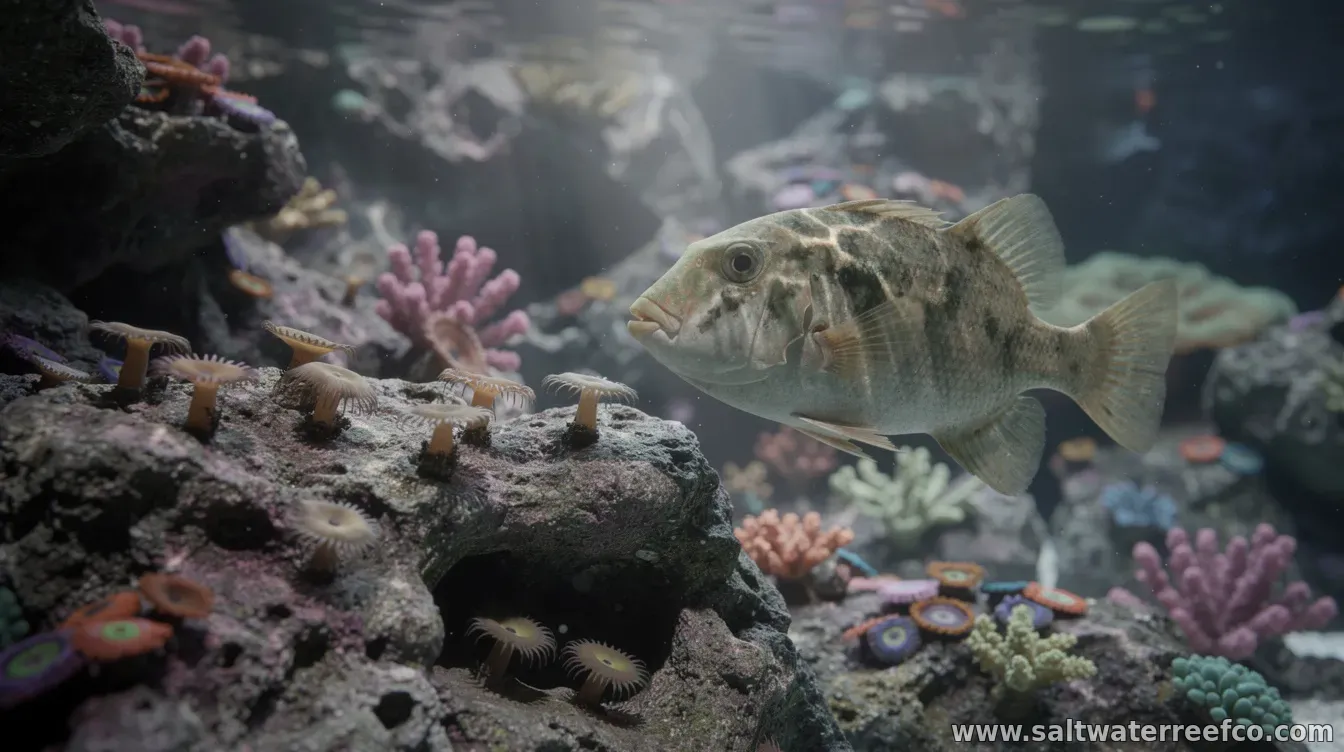
In marine aquarium circles, few terms come up as often as “Aiptasia” and “filefish” in the same breath. Aiptasia anemones—often called glass anemones—can spread quickly in established reef tanks and irritate surrounding corals. That’s why the Aiptasia-eating filefish, also sold under names such as bristletail filefish, matted leatherjacket, or tomentosus filefish, remains a popular go-to option among hobbyists. These fish are typically marketed in the aquarium trade as specialists that will feed on Aiptasia. In practice, however, outcomes vary widely from tank to tank. Factors like the fish’s individual diet history, hunger level at introduction, water quality, and the availability of alternative foods can strongly influence whether it will focus on Aiptasia. Species naming can be confusingOne challenge for buyers is that common names are used inconsistently across retailers and regions. The same “filefish” label can refer to different species, and some may not reliably eat Aiptasia once settled. For reef keepers, the safest approach is to confirm the scientific name with the seller, ask whether the fish is proven to take Aiptasia, and request details about its feeding in captivity. Even when the correct species is identified, collectors and wholesalers may source or transition fish differently. A fish that has been trained to eat frozen meaty foods may not immediately switch to Aiptasia—while a fish that has already been conditioned to target anemones may start feeding on them quickly. Plan for acclimation and a realistic “trial period”Because the goal is often Aiptasia removal without collateral damage, hobbyists commonly use a cautious introduction strategy. This can include quarantine, careful acclimation to tank conditions, and close monitoring in the first days and weeks. If the fish refuses Aiptasia and instead turns to other foods, the expected control of the infestation may never materialize—or it may take longer than anticipated.
Why results aren’t guaranteedEven with the “right” filefish, Aiptasia control is not a guaranteed outcome. Aiptasia colonies vary in size and location, and some fish may prefer certain stages or textures. Additionally, tank chemistry and stability—such as salinity, nitrate, and overall habitat stress—can influence feeding. There’s also a practical reefkeeping reality: Aiptasia can be more than a simple pest. It may persist if the underlying conditions that favor it (such as nutrient patterns and rockwork that traps excess organics) aren’t addressed. Many successful approaches combine biological control with husbandry changes, rather than relying on a single fish. What to do if Aiptasia-eating failsIf the filefish doesn’t meaningfully reduce Aiptasia, reef keepers typically pivot to a broader plan. That might include targeted Aiptasia removal methods used alongside improved tank management—always chosen with care to avoid harming corals and other sensitive livestock. Before adding any filefish, it’s wise to treat the purchase like an experiment: verify the exact species, confirm that Aiptasia feeding is at least plausible, and plan monitoring and contingency steps. For hobbyists willing to do that, the bristletail/tomentosus filefish can be a valuable tool in the ongoing effort to keep reefs clear of glass anemones. |
|
|
Next & Previous posts